Budget 2026: What it means for independent pharmacy owners
Vinku Shah,
28 Oct 2026 6 Min

Vinku Shah,
28 Oct 20266 Min
Vinku Shah,
28 Oct 20266 Min


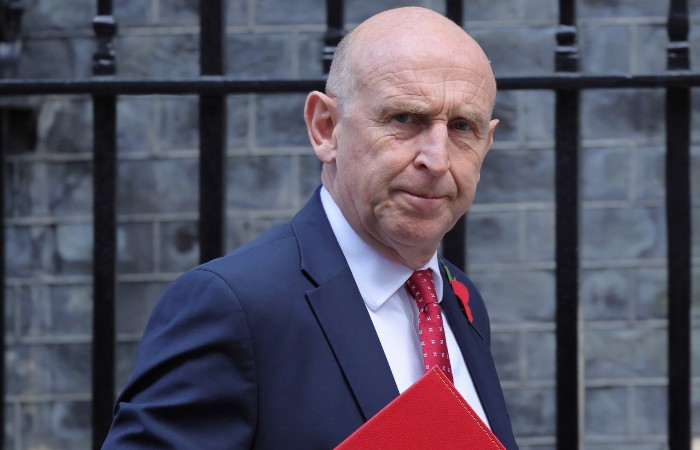
There was little in John Healey’s statement to support pharmacies. For many contractors, the most important headline is not what was announced but what was not, writes Vinku Shah…
Most pharmacy owners approached this year's Budget hoping for recognition of the financial challenges facing the sector. Rising staffing costs, increasing regulatory demands, margin pressures and ongoing funding concerns continue to dominate discussions across community pharmacy.
Unfortunately, while the chancellor John Healey announced a range of tax and business measures, there was little in the Budget specifically designed to support community pharmacy. For many contractors, the most important headline is not what was announced, but what was not.
That said, several measures will affect both pharmacy businesses and their owners. Some will increase costs. Others will require forward planning. A few may present opportunities.
Here is what pharmacy owners need to know.
No direct support for community pharmacy
Community pharmacy continues to deliver more clinical services than ever before, while many operators face increasing pressure on profitability.
Against that backdrop, the Budget offered:
For pharmacy owners already concerned about funding sustainability, this will undoubtedly be disappointing. The reality is that pharmacies must continue to manage rising costs largely from existing resources.
Wage rises will further increase cost pressures
The national living wage will rise from £12.71 to £13.21 per hour, while the rate for 18 to 20-year-olds will increase from £10.85 to £11.27.
For many pharmacy businesses, this is likely to be the Budget measure with the most immediate financial impact.
While pharmacists and technicians generally earn above minimum wage levels, many pharmacies employ:
The impact extends beyond those directly receiving minimum wage. In most pharmacies, increasing entry-level pay creates pressure throughout the wage structure.
If a medicines counter assistant receives a pay increase, a dispensing assistant earning only slightly more may expect a corresponding adjustment. Likewise, experienced team members may seek higher pay to reflect their additional skills and responsibilities.
For multi-branch operators, even modest increases can translate into significant annual payroll costs.
The key question pharmacy owners should be asking is: Can current pharmacy income support another round of payroll inflation?
For many, the answer may necessitate a renewed focus on operational efficiency, staff utilisation and service profitability.
Business rates relief – wait for the detail
The government announced an increase in the small business rate relief threshold from £12,000 to £18,000 for qualifying retail, hospitality and leisure businesses.
At first glance this appears positive but pharmacy owners should be cautious. It is not yet clear whether community pharmacies will qualify under the revised rules.
Until detailed guidance is published, contractors should avoid assuming any future savings.
If pharmacies are included, smaller rural and neighbourhood pharmacies could benefit. However, many pharmacy premises may remain outside the scope of the relief. For now, this sits firmly in the ‘wait and see’ category.

Fuel duty freeze provides some welcome stability
The continuation of the fuel duty freeze and the extension of the existing 5p per litre reduction until July 2027 will help contain transport costs.
While few pharmacy owners would claim fuel costs are their biggest challenge, delivery services remain an important part of patient care.
Many pharmacies continue to provide:
These services are increasingly expensive to operate and often generate little or no direct income. Any measure that helps limit additional cost increases is therefore welcome.
Better mileage relief for multi-site operators
The Budget retained the first 10,000 business miles at 55p per mile and increased the rate above 10,000 miles from 25p to 35p. This may be particularly relevant for:
For some operators, it may be worth reviewing travel reimbursement policies to ensure they remain tax-efficient and aligned with the revised rates.
HMRC Is clearly increasing enforcement activity
One area that should not be overlooked is HMRC's enhanced compliance agenda.
The Budget includes additional resources and powers to improve tax collection and pursue overdue liabilities. Many pharmacies continue to experience cash-flow fluctuations because of:
Where businesses fall behind with tax liabilities, HMRC is likely to become more proactive. For pharmacy owners, this reinforces several important disciplines:
The message is straightforward: good financial management is becoming increasingly important.
More frequent tax payments are coming
The government intends to move towards more regular income tax payments from 2029.
This may not affect pharmacies immediately but it represents part of a broader trend towards real-time reporting and faster tax collection.
For owner-managed pharmacy businesses, it means cash-flow planning will become more important, both at business and personal level.
Those already reviewing management information monthly and forecasting tax liabilities throughout the year are likely to find the transition easier than those who continue to rely on annual reviews.
The biggest long-term change: Business asset disposal relief
Among all the Budget announcements, the reduction in business asset disposal relief from £1 million to £500,000 may prove to be the most significant for pharmacy owners personally.
Many owners have spent decades building businesses that ultimately form a substantial part of their retirement planning.
The reduction in the relief limit means that successful owners may pay more tax when they eventually sell their businesses.
For contractors approaching retirement, this is not simply a tax issue. It is a succession-planning issue. Questions pharmacy owners should now consider include:
For owners in their fifties or sixties, the answers to these questions could have a material impact on net retirement proceeds.
Profit extraction rules: Monitor developments carefully
The Government also indicated an intention to modernise how profits are extracted from companies. At this stage, details remain limited.
Importantly, there is currently no evidence that pharmacy owners need to change their remuneration structures immediately.
However, owner-managed pharmacy companies have historically relied on a combination of salaries and dividends. Any future changes could affect how owners extract profits from their businesses.
For now, the sensible approach is to monitor developments and seek advice once draft legislation becomes available.
Final thoughts
For pharmacy owners, this Budget largely reinforces a theme that has existed for several years: rising costs, increasing compliance obligations and a growing need for proactive financial planning.
The immediate challenge will be managing higher employment costs. The longer-term challenge will be adapting to changes that affect business ownership, taxation and succession planning. Perhaps the most disappointing aspect of the Budget is the absence of any meaningful support for a sector that continues to play a vital role within primary care.
In the meantime, pharmacy owners should focus on what they can control: strengthening profitability, improving operational efficiency, maintaining robust cash-flow forecasts and regularly reviewing long-term succession plans.
In today's environment, successful pharmacy ownership requires not only excellent patient care, but also careful financial stewardship.
Vinku Shah is a partner at Xeinadin.