The first cut is the deepest
Neil Trainis,
07 Aug 2026 5 Min
5 Min

Neil Trainis,
07 Aug 20265 Min
Neil Trainis,
07 Aug 20265 Min


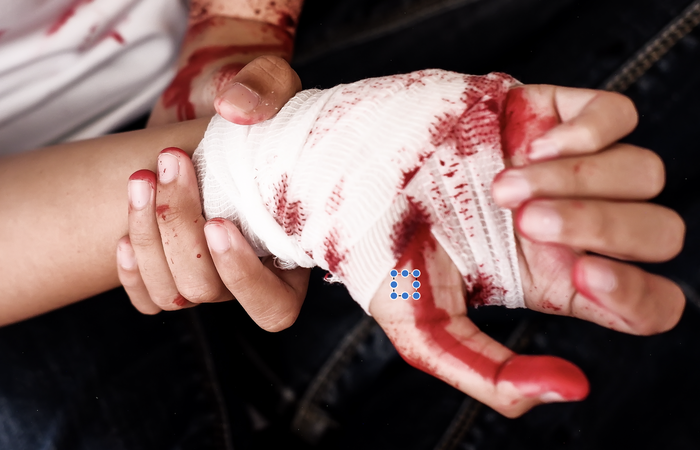
From wounds and grazes to bandages and slings, independent pharmacists and their teams can provide quality first aid care. Kathy Oxtoby explains…
"Pharmacists can support people with minor injuries such as cuts, grazes and sprains by providing advice on wound care, infection prevention and the appropriate use of first aid products,” says Tase Oputu, President of the Royal College of Pharmacy.
“They can also help people understand when symptoms can be managed through self-care and when further medical assessment may be needed."
Blisters and sprains are the most common sports injuries, says Jacquie Lee, Numark medication safety officer and information pharmacist.
“Many blisters heal naturally without treatment. A blister is a natural barrier and should remain intact to avoid infection,” she says.
Customers should be advised never to pierce the blister and to use dressings (particularly hydrocolloid ones especially for blisters) to protect the blister, she says.
One of the most common first aid injuries, seen in pharmacies, are cuts and grazes, she says.
“Superficial cuts and grazes are likely to scab over and heal quickly however, if the part of the body constantly moves, for example, knees and elbows, the healing process can take longer.”
Treatment involves cleaning the wound with mild soap and water and tapping dry with a clean towel before applying a dressing/bandage, she says.
Pharmacies should keep a range of suitable dressings from plasters suitable for small superficial cuts to more complex dressings for larger wounds that promote healing, she says.
When a patient presents with a cut or wound, pharmacy teams should start with a quick wound assessment considering the size, depth, moisture level, and infection risk, says Ms Lee. There are different dressings for each type of wound:
“Always advise customers to keep wounds clean and monitor for infection. Refer to a clinician if the wound is deep, chronic, or healing poorly,” she says.
Burns are another common first aid injury. They can be caused by heat, chemicals, electricity or radiation, says Ms Lee.
Treatment involves removing the source of the burn, cooling the area with cold running water for at least 10 minutes, and covering with a clean cloth. Medical attention should be sought for severe burns or those affecting sensitive areas, she says.
Pharmacy staff should also be knowledgeable about the various treatment options available for joint and muscular pain, says Ms Lee.
“They should be able to recommend over-the-counter pain relief medications and topical creams or gels that can help alleviate pain. They should also be familiar with natural remedies and supplements that may be effective for joint and muscular pain.”
The first aid and sports injury category has remained stable, says Ms Lee.
“Dressings, supports, micropore tape, burns creams and bandages continue to be products in high demand.”
She says pharmacy staff can recommend over-the-counter pain relief medications such as paracetamol or nonsteroidal anti-inflammatory drugs (NSAIDs) like ibuprofen or naproxen when needed, but “always check with any existing medication they already take or conditions the patient may have to reduce the chance of an interaction”.
Additionally, they can suggest topical pain relief creams or gels that contain menthol or capsaicin.
Compression bandages can also be useful in providing support for injuries such as sprains so stocking a range of sizes will be helpful, says Ms Lee.
Whilst first aid supplies are a necessity in every home, there are certain times of the year that see sales in the category peak, says Ms Lee.
“For example, during the spring and summer seasons, customers are more likely to be out and about in the sun so will have a greater need for plasters, antiseptics, and bite creams.”
As such, community pharmacies should ensure their fixtures effectively display their range of first aid and sports injury products to make navigation easy for customers, says Ms Lee.
“We recommend displaying the category close to the counter for easy access to advice and support.”
“Link selling is very important,” says Lila Thakerar, superintendent pharmacist at Shaftesbury Pharmacy in Harrow.
Patients purchasing potential holiday items, such as sunscreen lotion, could be asked by a member of the pharmacy team if they would like a first aid kit.
“If somebody is going on holiday, we have a check list of the products they might need, including rehydration sachets, antihistamine creams and bandages,” she says.
If customers are cost conscious, pharmacy teams can advise them on the different types of products that are available,” says Ms Thakerar.
“And pharmacists should ensure that all the staff are adequately trained so that they're aware of the products out in the market, including any new ones.”
Pharmacists may encounter medical emergencies in their day-to-day work and are trained to respond appropriately, says Ms Oputu.
“Ongoing education and training help pharmacists maintain the knowledge and skills needed to respond appropriately in emergencies, including recognising when urgent medical assistance is required."
Ms Thakerar is trained in emergency first aid. And as part of health and safety requirements, she says her pharmacy has a member of staff who is a trained first aider.
As a pharmacy providing a vaccination service, Ms Thakerar and her team are required to have training in, and to be certified in CPR.
While being certified in CPR is not mandatory for pharmacists and their teams in non-vaccinating sites, she believes it should be.
“It's always a good idea to be clinically trained to provide emergency first aid in case it is needed,” says Ms Thakerar.
Pharmacists have an important role in supporting prevention and helping people improve their overall health and wellbeing, says Ms Oputu.
“Through everyday conversations with patients, pharmacy teams can encourage people to become more physically active and signpost them to local services, groups and activities that support healthier lifestyles.
“These conversations can be particularly valuable for people who may not regularly engage with other healthcare services,” she says.
“We would also like to see a standardised referral process that supports community pharmacists to refer people to social prescribing link workers.”
In terms of exercises and lifestyle changes, pharmacy staff should be able to recommend low-impact exercises that can help strengthen muscles and joints, as well as dietary changes that can help reduce inflammation and promote overall health, says Ms Lee.
They should also be able to provide advice on proper posture to help prevent joint and muscular pain, she adds.
“Warm-ups before exercising will also reduce the likelihood of injuries occurring, as it helps prepare your body for physical activity,” she says.
“Warming up will help increase flexibility, balance and reaction time as well as reducing muscle stiffness which can help prevent injury.”
As part of Making Every Contact Count (MECC), Ms Thakerar has discussions with patients about their lifestyle.1
“I speak to them about how they can change their lifestyle to suit the diagnosis of their condition,” she says.
“I encourage them to take regular exercise, note this on the patient record, and then at the next consultation, I have a further conversation on how they are getting on.”
If pharmacists give advice to patients to help with their fitness it is important to “follow it up”, she says.
“I like to get feedback from my patients. If I’ve said to them: ‘why don’t you join a local walking group?’, I like to know from them, in a couple of weeks, if they did, and if it is helping. Follow up any guidance you may have given. It’s about finding out if your advice was of benefit.”
Reference
1. NHS England (2026) Making Every Contact Count (MECC). https://www.hee.nhs.uk/our-work/population-health/our-resources-hub/making-every-contact-count-mecc