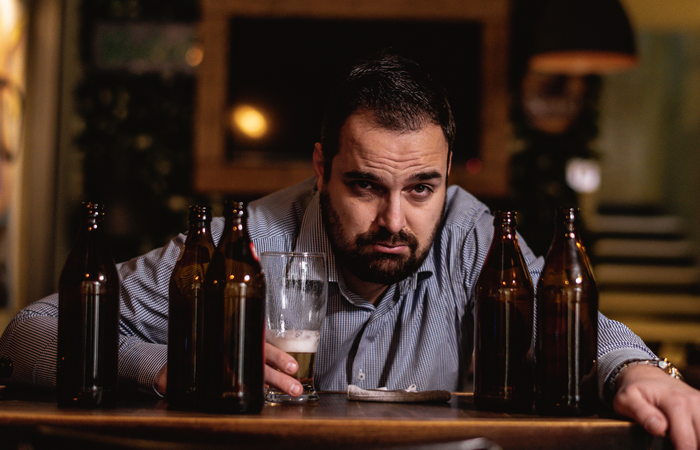
Men’s health doesn’t have to be a minefield
Neil Trainis,
03 Jun 2026 5 Min
5 Min

Neil Trainis,
03 Jun 20265 Min
Neil Trainis,
03 Jun 20265 Min


Labour launched what it described as “England's first ever men's health strategy” last year. Kathy Oxtoby investigates how neighbourhood health teams will make the most of the role played by independent pharmacies…
The highly publicised strategy sets out the government’s “comprehensive action to tackle the physical and mental health challenges men and boys face every day”.1 2
Launched last November, the strategy not only “shines a light on the fact that men’s health has been neglected for too long, it sets us up to tackle the injustices and inequalities they face”, says the Department of Health and Social Care (DHSC).1
Over the next three years, the government is investing £3.6 million in suicide prevention projects for middle-aged men in local communities across areas of England “where men are at most risk of taking their own lives, including some of the most deprived areas in the country”, says DHSC.2
Other commitments include investing £3 million into community-based men’s health programmes, and a £200,000 trial of interventions to tackle the increase in cocaine and alcohol-related cardiovascular disease (CVD) deaths, particularly among older men.2
As part of neighbourhood health teams, independent community pharmacists can reach men in their communities and help them change their lifestyles.
Everyday interactions to support behaviour change
Community pharmacies are “highly accessible and provide a familiar, approachable setting for men to seek advice about their health”, says Alwyn Fortune, Royal College of Pharmacy Wales policy lead and community pharmacist.
“This places them in a strong position to support the ambitions of the government’s men’s health strategy, particularly in reaching those less likely to engage with other healthcare services.”
He says pharmacists and their teams can use everyday interactions to support behaviour change - from smoking cessation, weight management and alcohol reduction to managing long-term conditions like high blood pressure and diabetes - as well as offering routine checks and signposting to further support.
To help support men’s health, pharmacists need to take the approach of Making Every Contact Count (MECC), in line with NHS guidance, says Lila Thakerar, superintendent pharmacist at Shaftesbury Pharmacy in Harrow.3
She says an example would be, that when a man comes to the pharmacy to collect a prescription or purchase an over-the-counter medication, pharmacists need to “be opportunistic and have a general conversation about their health and lifestyle”.
This conversation could cover anything from smoking and alcohol intake to weight management and blood glucose checks. Sensitive issues should be discussed within the privacy of the consultation room, she advises.
Pharmacists and their teams can make their services “more approachable for men”, says Jacquie Lee, medication safety officer and information pharmacist at Numark.
This includes offering health checks like blood pressure monitoring or diabetes screening without the need for appointments and ensuring that consultation rooms are clearly visible and feel private.
Displaying male-focused health materials and using neutral, welcoming décor can also help men feel more comfortable, says Ms Lee.
Pharmacies can play a key role in raising awareness of men’s health issues, she says. “Hosting events during Men’s Health Week, using humour and relatable visuals in posters, and leveraging social media are all effective strategies. Collaborating with local groups such as sports teams or barbershops can further extend reach,” says Ms Lee.
Outreach is a “powerful tool”, she says. “Engaging with men in familiar settings, such as sports clubs, workplaces, or even pubs, can help break down barriers and encourage conversations about health.
“Co-designing services with input from local men ensures that offerings are relevant and appealing.”
Independent pharmacies have “strong links within their communities”, and can work with local partners, including businesses and sports clubs, to raise awareness of services and reach men in settings where they feel more comfortable, says Mr Fortune.
“This kind of outreach can help normalise conversations around health and encourage earlier engagement.”
Ms Thakerar says pharmacists can organise and/or give talks or discussions about men’s health at their local GP surgery, community centre or church, for example, where they can also potentially signpost individuals to sources of support.
Men generally find it hard to open up and talk about their problems, particularly intimate health issues.
“Creating a supportive, non-judgemental and confidential environment is key to helping men open up, particularly about sensitive issues such as mental health or erectile dysfunction,” says Mr Fortune.
“Pharmacists are trained to have person-centred conversations and provide advice, treatment or referral where appropriate.”
Many men face psychological and cultural barriers to seeking help, says Ms Lee. “Traditional notions of masculinity may discourage them from admitting vulnerability, while embarrassment or fear of stigma can prevent them from accessing support.”
She says pharmacy staff can help by normalising help-seeking behaviour. “Simple phrases like ‘lots of men ask about this’ or ‘you’re not alone in this’ can go a long way.
“Offering flexible hours, drop-in consultations, and ensuring privacy during discussions can also make a big difference.”
It is important to “reassure the men that you speak to that conversations about these sensitive issues are held in private”, says Ms Thakerar.
“Conversations can begin with general questions about their health to encourage them to open up about their concerns and to help gain their trust.”
If the pharmacy has both male and female pharmacists on its team, patients should be made aware of this, and given the option of who they would like to discuss their health issues with. “Some men may prefer to see a male pharmacist,” she says.
Pharmacy teams also play “an important role in preventing and managing obesity-related conditions, supporting healthier lifestyles, weight management and the safe use of medicines to improve patient outcomes”, says Mr Fortune.
Discussing issues like obesity can be challenging, says Ms Lee. Pharmacy staff can ease into these conversations by using open-ended questions and framing discussions around overall wellbeing.
For example, asking ‘Have you noticed any changes lately?’ or ‘How are you feeling day-to-day?’ can open the door to deeper dialogue, she says.
Avoiding medical jargon and using empowering, non-judgmental language helps build trust, she says.
“Sitting side-by-side rather than face-to-face can reduce the sense of confrontation, and pairing these conversations with routine activities, like during a flu jab or medication review, can make them feel more natural.”
Discussions about obesity related conditions should include advice about lifestyle changes, such as giving up smoking, giving up alcohol, and a possible referral to a GP, says Ms Thakerar.
Patients with diabetes or cardiovascular conditions, for example, will also need to be referred to their doctor, she says.
“With the right support and integration into neighbourhood health teams, community pharmacy can play a greater role in prevention, early intervention and reducing health inequalities affecting men,” says Mr Fortune.
“With men's health, it's about building that goodwill and trust,” says Ms Thakerar.
“And we need to make men aware that our pharmacy services are available in their communities, without an appointment, without time restrictions, and in a confidential environment.”
References
1. Department of Health & Social Care (DHSC) (2025) Men's health: a strategic vision for England. https://www.gov.uk/government/publications/mens-health-strategy-for-england/mens-health-a-strategic-vision-for-england-accessible-version
2. DHSC (2025) Government unveils England's first ever Men's Health Strategy. https://www.gov.uk/government/news/government-unveils-englands-first-ever-mens-health-strategy
3. NHS England (2026) Making Every Contact Count (MECC). https://www.hee.nhs.uk/our-work/population-health/our-resources-hub/making-every-contact-count-mecc