Independents have guts!
Neil Trainis,
11 Nov 2026 6 Min

Neil Trainis,
11 Nov 20266 Min
Neil Trainis,
11 Nov 20266 Min


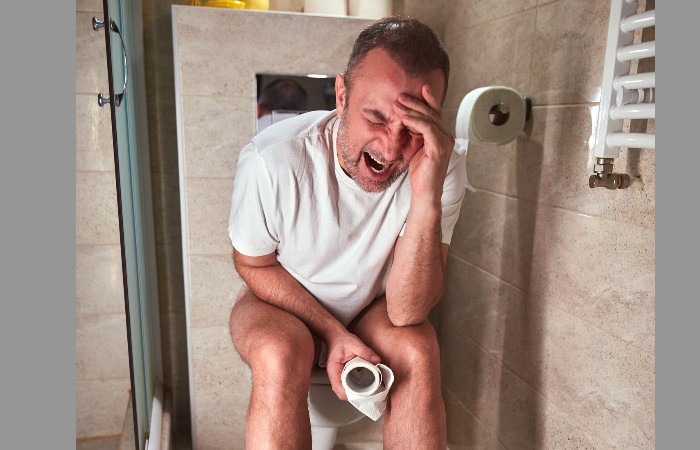
Gut health screening and lifestyle counselling should be part of independent pharmacies’ public health remit. Kathy Oxtoby explains…
Living in a poorer neighbourhood in the UK “could impact the make-up of your gut microbiome, potentially leading to worse health”.1, 2
“People living in areas of higher social deprivation have a less diverse range of bacteria in their gut”, a study, led by King’s College London and the University of Nottingham, has found.1, 2
The study, published in npj biofilms and microbiomes, also found “people in these areas have less short-chain fatty acid-producing bacteria – which are vital for reducing inflammation and regulating energy metabolism”.1, 2
“These differences in gut bacteria could lead to worse health outcomes including mental health and metabolic health (which helps manage people’s energy levels), immune system function, and mood stability.” 1, 2
Worse gut microbiomes
The research found “a link between those in areas of higher deprivation who had worse gut microbiomes and mental health conditions such as anxiety”.1, 2
“The study highlights a health inequality, something independent pharmacies are in a unique position to tackle,” says Jacquie Lee, medication safety officer and information pharmacist at Numark. “Our accessibility and integration into local communities mean we’re often the first port of call for many patients, especially for those who may be reluctant to engage with a GP.
“We often see firsthand how social factors influence health outcomes. The finding that patients in deprived areas have poorer gut health is something we need to address, particularly with the potential consequences of increased infection risk or compromised immune function.”
For independent pharmacies, “this means considering gut health screening and lifestyle counselling as part of our public health remit, particularly for those located in deprived areas”, she says.
Lila Thakerar, superintendent pharmacist at Shaftesbury Pharmacy in Harrow, says the research findings have been “quite an eye opener for me”.
“I wasn't aware of the impact of gut bacteria, the association of certain gut bacteria with living in more deprived areas, and also the impact it has on mental health, and on general health.”
Not being able to afford a healthy diet
She says pharmacists working in deprived areas could consider such issues as individuals not being able to afford a healthy diet, when deciding what advice to give patients.
Professor Amira Guirguis, Chief Scientist at the Royal College of Pharmacy, says: “The gut microbiome varies from person to person and is influenced by many factors, including diet, medicines, age and wider circumstances.
“This is an emerging area of research, so we need more evidence to understand what these differences mean for health and whether interventions to change the gut microbiome can improve outcomes.”
The research findings do not necessarily mean that it is more important for pharmacies in areas of higher deprivation to stock probiotics and fibre supplements.
If deprivation is an issue, and affordability is a concern, patients are unlikely to purchase probiotics and fibre supplements, says Ms Thakerar. “My advice would be about exercise, lifestyle and, most importantly, a fibre rich diet.”
“It’s not necessarily as simple as stocking more supplements,” says Ms Lee. “Food-based interventions, such as increased fibre, are often a better long-term plan.
“The relationship between deprivation and poor gut health is caused by multiple factors, and a supplement won’t fix the underlying causes such as diet, stress, and access to fresh produce.”
Increasing access to probiotics
She says while increasing access to probiotics can help, “it’s important that these are products which are evidence-based and paired with the right dietary and lifestyle advice”.
Pharmacists can tailor their advice and support for different types of patients. Professor Guirguis says there is “no single approach to achieving or maintaining good gut health”.
“For pharmacists, the key is to provide personalised, evidence-based advice, considering a person's medical history, medicines, diet, lifestyle and preferences.
“They can help people make sense of health information, make informed decisions and find the options that are right for them.”
Patients with inflammatory bowel disease (IBD) are “likely to have individual responses to interventions – what helps one person may cause another to experience worse symptoms”, says Ms Lee.
“It’s important to avoid blanket recommendations, particularly when it comes to probiotics, as some may cause a flare-up in certain IBD patients or have an interaction with their medications.
“It’s also important to ensure any nutritional advice is realistic during flare-ups and signpost to dietitians and specialists when needed,” she adds.
A slightly different approach should be taken for those who are pregnant, she says.
“Only well-researched probiotic strains with safety data in pregnancy should be recommended, as well as ensuring any supplements don’t impact iron or folate absorption, which are both critical in pregnancy.
“Maternal gut health also influences infant microbiota colonisation and immune development, so the issue is even more important.”
More practical support can be offered to address pregnancy-related constipation through fibre, hydration and gentle exercise, she says.
For more complex cases, she says to refer to maternity services or specialist dietitians. In general, gut mobility decreases with age, while elderly patients may also have additional needs that compound these effects, says Ms Lee.
“It means a tailored, individual approach to account for their medications and practical barriers is even more important.”
She says to ensure any supplement recommendations are checked for interactions with medication regimens. “In particular, probiotics may interact with antibiotics or PPIs.”
Practical barriers to the lifestyle advice
There may also be practical barriers to the lifestyle advice typically offered – for example, swallowing difficulties, and issues accessing varied healthy foods, she says.
“Lifestyle advice should also be tailored to the individual’s needs – for example, some elderly patients will need calorie-dense foods, not just fibre. Involve carers where appropriate and ensure advice is easy to understand and accessible,” says Ms Lee.
“Every consultation and every prescription we dispense is a chance for us to attempt to help a patient and give additional advice, and to try and figure out the reasons for their ill health,” says Ms Thakerar.
One of the reasons could be poor gut health, which could be helped by a healthy diet, she says.
Pharmacists can also use New Medicine Service consultations as an opportunity to discuss lifestyle and diet, says Ms Thakerar.
Many GP practices will have an in-house dietitian, and patients can be referred to one if pharmacists are not able to provide advice, she says.
Prescribing pharmacists are “uniquely positioned to help with the health inequality highlighted in the King’s College study”, says Ms Lee.
“Our strength lies in being at the heart of the affected communities and being able to engage with those who might be reluctant to engage with the NHS through other avenues for help.
“It means we can offer advice but also recognise red flags where a patient may need referral to a GP or specialist for more in-depth support.
“We can take a holistic view of the issue and look at the patient’s individual circumstances and offer tailored advice that works alongside any chronic disease management or other issues,” she says.
“For example, when GPs or pharmacists prescribe antibiotics, they’re followed by probiotic supplements to reduce microbiota damage.”
Pharmacists should “stay up-to-date with the latest advice on supplements and solutions for poor gut health to ensure that their advice is current and that any recommendation is paired with holistic advice to help sort the problem at a lifestyle level, not solely through supplementation”, she says.
“Pharmacists need to be aware of the implications of social deprivation on people’s gut well-being,” says Ms Thakerar. “And we need more awareness in this area for pharmacists.”
References
1. King’s College London. News Centre. (2026) People's gut bacteria worse in areas with higher social deprivation. https://www.kcl.ac.uk/news/peoples-gut-bacteria-worse-in-areas-with-higher-social-deprivation
2. Lin, Y., Kouraki, A., Cheetham, N.J. et al. Gut microbiome composition and function reflect socioeconomic deprivation. npj Biofilms Microbiomes 12, 25 (2026). https://doi.org/10.1038/s41522-026-00917-9