Analysis: Helping an ageing population
Neil Trainis,
10 Dec 2025 1 Min
1 Min

Neil Trainis,
10 Dec 20251 Min
Neil Trainis,
10 Dec 20251 Min


Independent pharmacies can support people with dementia, those at risk of malnutrition or falling and the socially isolated and lonely, as Kathy Oxtoby explains…
Launched this summer, the NHS 10-year plan “rightly recognises the growing importance of supporting older people, particularly as we face the challenges of an ageing population”, observes Numark chairman Harry McQuillan.
“For me, it signals a shift towards more proactive, community-based care. It places emphasis on prevention, early intervention, and keeping people well in their homes for longer. That’s where community pharmacy, as the most accessible part of the health system, can make a real difference.”
Independent pharmacies have a role to play in helping not only treat but prevent illness in older people – one of the plan’s ambitions.
Pharmacists embedded in their communities are “in a great position to provide tailored support to help older people stay as well as possible; whether that’s encouraging someone to take part in regular exercise, eat a balanced diet or cut down on smoking and alcohol consumption”, says Tom Gentry, head of health and care policy for Age UK.
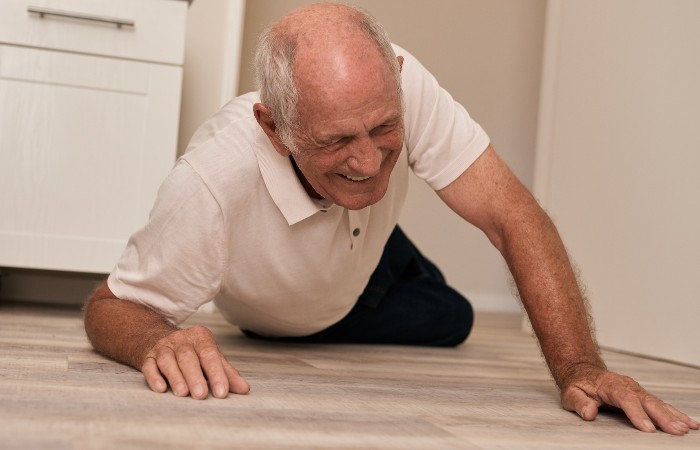
“They can offer support to older people who are living with frailty, who are at risk of malnutrition or falling, or who may be socially isolated or lonely.”
Able to diagnose the potential risks for older patients
Based on the prescriptions pharmacists receive, “we are able to diagnose the potential risks for older patients”, says Lila Thakerar, superintendent pharmacist at Shaftesbury Pharmacy in Harrow.
“For example, if a patient has osteoarthritis or is frail, we know they are at risk of having falls, and we can give them lifestyle advice and check if they have support at home.”
Community pharmacies are “the most accessible healthcare setting and for older patients this means they do not need to wait for an appointment, conversations can be held remotely and medicines delivered”, says Flavia Puinean, the lead advice and support pharmacist at the National Pharmacy Association (NPA).
“They can play a vital role in prevention through medicines optimisation, vaccination services, health screening, and lifestyle advice. By providing regular contact, pharmacists can help identify early signs of illness, encourage compliance with treatment, and promote self-care, all of which align closely with the prevention-focused ambitions of the NHS plan,” she says.
Unique opportunity to spot issues early
Independent pharmacies are at “the very heart of local communities” says McQuillan. “Pharmacists see their patients regularly, often more than GPs do, and that gives them a unique opportunity to spot issues early and step in before problems escalate.”
McQuillan says at Numark, “we’re focused on equipping our members with the tools, training and services they need to support older patients effectively”. He adds: “That ranges from clinical resources, through to digital solutions that free up time for more face-to-face care.”
The NPA supports members with clinical resources, training, and service development tools that enable them to deliver high-quality, patient-centred care, and advice on safeguarding vulnerable patients, says Ms Puinean.
“The NPA also represents pharmacy at national level, ensuring that the needs of older patients - and the pharmacies that care for them - remain on the policy agenda.”
Pharmacies are “uniquely placed” to help patients manage age-related conditions such as frailty, arthritis, cardiovascular disease, and reduced mobility, says Ms Puinean.
Help people maintain independence and quality of life
Through tailored support with medicines, advice on pain management, falls prevention, and signposting to wider services, “community pharmacies can help people maintain their independence and quality of life”, she says.
Pharmacists can recognise and address non-adherence to medications, helping patients to manage conditions like hypertension and diabetes, says Ms Thakerar. They can also support older patients with conditions like asthma and COPD, showing them how to use their inhalers correctly, she says.
Managing medicines is “critical in supporting older people to live well”, says Mr Gentry. “Given older people are typically living with one or more health conditions as well as relying on preventative measures and other supplements, polypharmacy becomes the norm the older we are.
“These medicines are vital to managing symptoms and staying well, but just as critical is making sure any medicines regime is optimised so that they are actually delivering benefit and avoiding harm.
“Pharmacists are an extremely important part of supporting older people in managing their medicines, providing advice on how to take their treatments and when, supporting conversations on the benefits and side effects and signposting to other forms of support.”
Pharmacists are also an important source of local support for older people. Mr Gentry says the pandemic “prompted a step change towards the use of digital forms of communication in general practice, which is working well for some but by no means all”.
“This is where a local pharmacist can help as they are ideally placed to offer valuable local support and face-to-face information to older people. As well as advising on common ailments, aids and medications they can also help people access the right services at the right time,” he says.
Adapt services to cognitive decline or other similar symptoms
As a group regularly in close contact with older people, pharmacists "should be in a position to adapt their services to cognitive decline or other similar symptoms and as trusted voices in the community to have information at hand on conditions such as dementia to offer to older people, their friends and families”, he says.
Pharmacies can be a first point of call for recognition for memory loss or confusion, and staff can not only notice subtle changes in patients but also be available for friends and family to discuss any worries, says Ms Puinean.
“Pharmacists can support those living with dementia by ensuring safe and effective use of medicines, simplifying regimens, and offering practical aids like reminder charts or compliance packs.
“Pharmacies also play an important role in supporting carers and in signposting families to specialist services. The NPA strongly advocates for recognition of pharmacy’s role in early identification and ongoing support in dementia care,” she adds.
Pharmacists, with their longstanding relationships with patients who visit them regularly, are able to identify changes regarding their behaviour and to pick up on any “red flags”, says Ms Thakerar. To people with dementia, and their families and carers, pharmacists can “offer their time, support and empathy”, she says.
Ms Puinean says pharmacists’ roles are expanding from dispensing to providing more proactive clinical care. “For older people, this means pharmacists will increasingly deliver structured medication reviews, contribute to multidisciplinary care teams, and support people in managing multiple long-term conditions.
“The NPA believes pharmacists will play a central role in ensuring medicines safety, preventing avoidable harm, and offering consistent, accessible support close to where people live.”
McQuillan sees the pharmacist’s role continuing to “expand beyond medicines supply into a central pillar of senior health”.
“More clinical services, more direct patient care, and stronger integration with other health professionals,” he says. “With the right support and recognition, pharmacists can be key to ensuring older people live not only longer lives but healthier, more fulfilling ones. Evidence shows that supporting people to stay well and live in their own homes extends both life expectancy and quality.”
Older people’s care “needs to be joined up care”, says Ms Thakerar, “and I would like pharmacists to be part of the multidisciplinary team discussions about patients”.
She would also like pharmacists to “encourage the commissioning of local services that look after older people”.
Community pharmacy is “indispensable when it comes to supporting older people”, says McQuillan. “We are local, accessible, and trusted. If we want to keep older people well, reduce pressure on hospitals, and deliver the ambitions of the NHS 10-year plan, then pharmacy must be given the tools and the opportunity to do even more.
“Access to their records to assist in this population’s care would be a wonderful start and I very much hope the current Government will act and enable this to realise its ambitions in the NHS 10-year plan.”