Independent prescribing – not the finished product
Neil Trainis,
07 Aug 2026 5 Min
5 Min

Neil Trainis,
07 Aug 20265 Min
Neil Trainis,
07 Aug 20265 Min


Community pharmacists’ future is managing acute, uncomplicated and self-limiting conditions. But I’m cautious about suggestions they should rapidly expand into routine long-term condition management, says Richard Brown…
This autumn marks one of the most significant milestones in the history of community pharmacy. For the first time, NHS-commissioned independent prescribing will become a reality within community pharmacies across England.
It is difficult to overstate the importance of this moment. For decades, community pharmacists have demonstrated their ability to deliver safe, accessible clinical care.
We have built trust through services such as flu vaccination, hypertension case-finding, Pharmacy First, contraception and an ever-expanding range of NHS clinical services. Now, finally, NHS England is recognising community pharmacy as a prescribing profession. This is genuinely a game changer.
For many of us, independent prescribing represents the missing piece of the jigsaw. It allows pharmacists to complete the clinical consultation, rather than relying on patient group directions (PGDs), referrals or signposting when a prescription is needed.
Patients will benefit from a more streamlined journey, receiving assessment, diagnosis where appropriate and treatment from a single healthcare professional in one consultation.
However, as exciting as this development is, we must also recognise one important fact. This is not the finished product. As with any new national NHS service, the first year is about establishing the foundations.
It is about ensuring the legislation works, governance arrangements are robust, IT systems function as intended and commissioners, general practice and community pharmacy all gain confidence in the new model.
There has already been considerable discussion about the funding. Many pharmacists have questioned whether a £17 consultation fee adequately reflects the responsibility, expertise and professional liability associated with independent prescribing, particularly when the same payment is available for supplying medicines under a PGD. These concerns are entirely understandable.
Yet we have been here before. When the NHS pharmacy contraception service was first introduced, the funding model was not considered perfect. Following engagement with the profession and evidence gathered during the first year of delivery, the service was reviewed and the fee structure was subsequently improved. The same opportunity exists here.
The priority during 2026-27 is not to prove community pharmacy can deliver independent prescribing. That has already been demonstrated. The NHS Independent Prescribing Pathfinder Programme, independently evaluated by the University of Manchester, provided robust evidence that community pharmacists can safely and effectively deliver NHS prescribing services while improving patient access to care.
Indeed, the success of the pathfinder programme is what has led to the commissioning of this national service. The focus now should be on successfully implementing the service at scale, embedding the necessary governance and infrastructure, engaging the wider pharmacy network and identifying where refinements to the funding model and service specification are needed as the service evolves.
If we focus solely on what the service is not today, we risk missing the opportunity to shape what it could become tomorrow.
Acute care is community pharmacy's natural home
The introduction of NHS independent prescribing also prompts an important question: where should community pharmacists focus their prescribing activity?
My view is clear. The future lies in managing acute, uncomplicated and self-limiting conditions.
Pharmacists across England have now developed considerable experience through Pharmacy First. Clinical assessment has become routine practice.
Consultation skills have improved significantly. Community pharmacy teams have shown they can safely assess patients, identify red flags and refer appropriately when necessary.
Independent prescribing simply builds upon these existing capabilities.
Indeed, prescribing has the potential to overcome some of the current limitations within Pharmacy First. Several exclusion criteria currently require unnecessary referrals simply because pharmacists cannot prescribe outside the defined service specifications. Independent prescribing provides greater clinical flexibility while maintaining patient safety.
Conversely, I remain cautious about suggestions that community pharmacy should rapidly expand into routine long-term condition management.
This is not because pharmacists lack the clinical ability. It is because the wider NHS infrastructure is not yet in place.
Safe long-term condition management requires comprehensive read-and-write access to general practice records, seamless integration with primary care systems, timely access to pathology results, participation within NHS phlebotomy pathways and robust mechanisms for ongoing monitoring and follow-up.
Until these elements become routine across community pharmacy, we should be careful not to overextend ourselves into models that rely upon infrastructure we simply do not yet possess.
A vision worth working towards
My ambition is straightforward. I believe community pharmacy should become the NHS's first point of contact for virtually all acute, uncomplicated, self-limiting illnesses.
Patients would receive timely assessment, independent prescribing where appropriate and comprehensive advice within their local pharmacy.
Only those patients requiring further investigation, ongoing medical management or specialist intervention would be referred onwards to general practice, which in reality, is around 2–3% of cases.
The benefits for the wider NHS could be transformative.
General practice would be freed to concentrate on what it does best: managing complexity, multimorbidity and long-term conditions.
At the same time, community pharmacy would provide rapid access for everyday illnesses, improving patient experience while reducing pressure across primary care.
Over time, patients would begin to recognise community pharmacy as the first port of call, further reducing pressure on general practice.
This vision also aligns closely with the wider direction of NHS policy. The current GP contract seeks to improve same-day access while supporting the continued shift of care from hospitals into primary care.
Community pharmacist independent prescribing fits naturally within that ambition by ensuring patients are seen by the right clinician, in the right place, at the right time.
The start of a new era
Perhaps the greatest significance of this new service extends beyond the consultations themselves. It represents a cultural shift in how community pharmacy is viewed.
For too long, pharmacists have often been defined primarily by the dispensing process, despite their extensive clinical training.
Independent prescribing allows the profession to spend more time where it adds the greatest value: in consultation rooms, speaking directly with patients, making clinical decisions and improving health outcomes.
Dispensing will always remain a core function of community pharmacy but our future increasingly lies in the clinical services we provide alongside it.
This is also an important message for the next generation of pharmacists. Newly qualified pharmacists will now register as independent prescribers, and they rightly expect to use those skills throughout their careers.
A vibrant NHS prescribing service within community pharmacy provides exactly the sort of professional opportunity needed to attract and retain talented clinicians within the sector.
The autumn launch of NHS independent prescribing is therefore not the destination. It is the beginning. The service will evolve. Funding will mature. Governance will strengthen. Infrastructure will improve. Clinical pathways will expand.
But none of that can happen unless we take this first step together. Community pharmacy has waited many years for the opportunity to prescribe as part of the NHS. Now that opportunity has arrived, our responsibility is to make it succeed.
Because this is far more than another commissioned service. It is the beginning of the next chapter for community pharmacy.
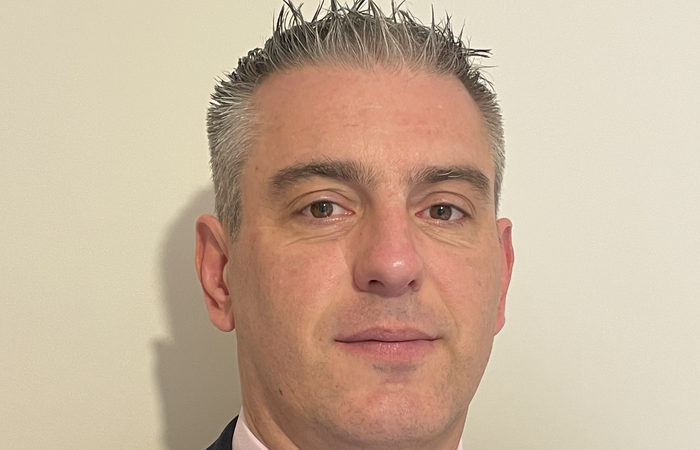
Richard Brown is the chief executive officer of Community Pharmacy Avon and Wiltshire.