Chronic hepatitis C infections fall in England, latest data shows
Neil Trainis,
07 Apr 2026 1 Min
1 Min


Neil Trainis,
07 Apr 20261 Min
Neil Trainis,
07 Apr 20261 Min


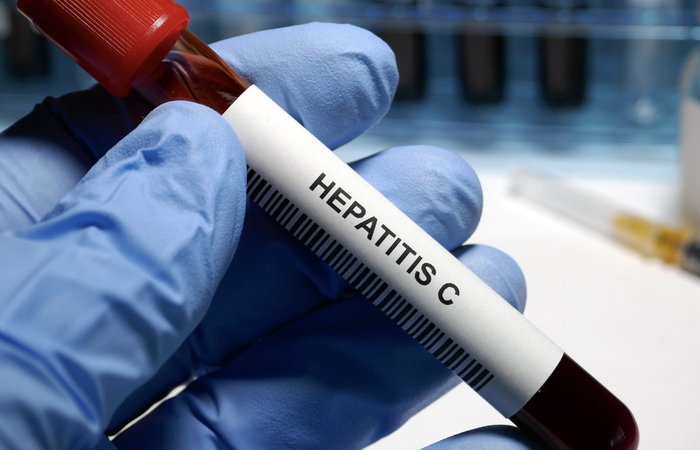
Chronic hepatitis C cases in England have fallen, according to the UK Health Security Agency (UKHSA).
The latest data shows 50,200 people aged 16 and over were living with the virus in 2024 compared with 129,000 in 2015, a 61.1 per cent drop.
The number of people who inject drugs and have hepatitis C also fell to 5.2 per cent two years ago from 28.6 per cent in 2015, while those who inject drugs and are free of the virus continues to increase, with 46.8 per cent in 2024 compared to 23 per cent in 2015.
The UKHSA said the reduction in hepatitis C cases “reflects the impact of expanded testing initiatives and sustained access to curative direct-acting antiviral treatment”.
It cautioned that “provisional estimates” suggesting a hepatitis C incidence rate of 4.4 per 100 person-years in 2024 among people who inject drugs did not meet the World Health Organisation (WHO) target of two per 100 person-years.
However, the UKHSA said: “If current levels of testing and treatment continue, hepatitis C incidence will decrease to 1.5 per 100 person-years by 2030, thus meeting the target.”
The rate of hepatitis C reinfection was 8.8 per 100 person-years among people who injected drugs three years before starting treatment. That was higher among people who had been in prison.
The UKHSA said 84.6 per cent of people living with chronic hepatitis C were diagnosed between 2015 and 2024, which was below the WHO target of more than or equal to 90 per cent of diagnoses.
According to data from the unlinked anonymous monitoring (UAM) survey, which monitors the prevalence of HIV, hepatitis B and hepatitis C infections, 28.4 per cent of people who inject drugs were aware they had chronic hepatitis C, while 66.7 per cent of those waiting for test results “were potentially aware”.
“Nearly three-quarters of people who were potentially unaware of their status were currently injecting, highlighting that there is still potential to improve opportunities for testing and treatment among those at greatest risk of infection,” the UKHSA said.
Surveillance data showed 81.5 per cent of people diagnosed with the virus between 2015 and 2024 had started treatment.
“This proportion indicates that England has now achieved the WHO target for treatment coverage of greater than or equal to 80 per cent, which needs to be sustained or exceeded for at least two consecutive years to validate elimination,” the UKHSA added.
Half of people tested for hepatitis C in 2024 were tested in emergency departments while the number of new diagnoses was highest in hospitals and drug services.
Median number of needles collected did not meet WHO’s target
The UKHSA said the UAM survey showed “a proxy measure of progress” towards meeting the WHO target of distributing at least 300 needles and syringes per person who injects drugs each year. However, the median number of needles collected was 240 in 2024 which did not meet WHO’s target.
“Furthermore, one in three people who reported injecting drugs in the past month reported having inadequate needle and syringe provision for their needs,” the UKHSA said.
“This highlights potential gaps to prevent new and reinfections through adequate provision of harm reduction.”