


 1 Min
1 Min
In CPD modules

Bookmark
After completing this module, you should be more aware of:
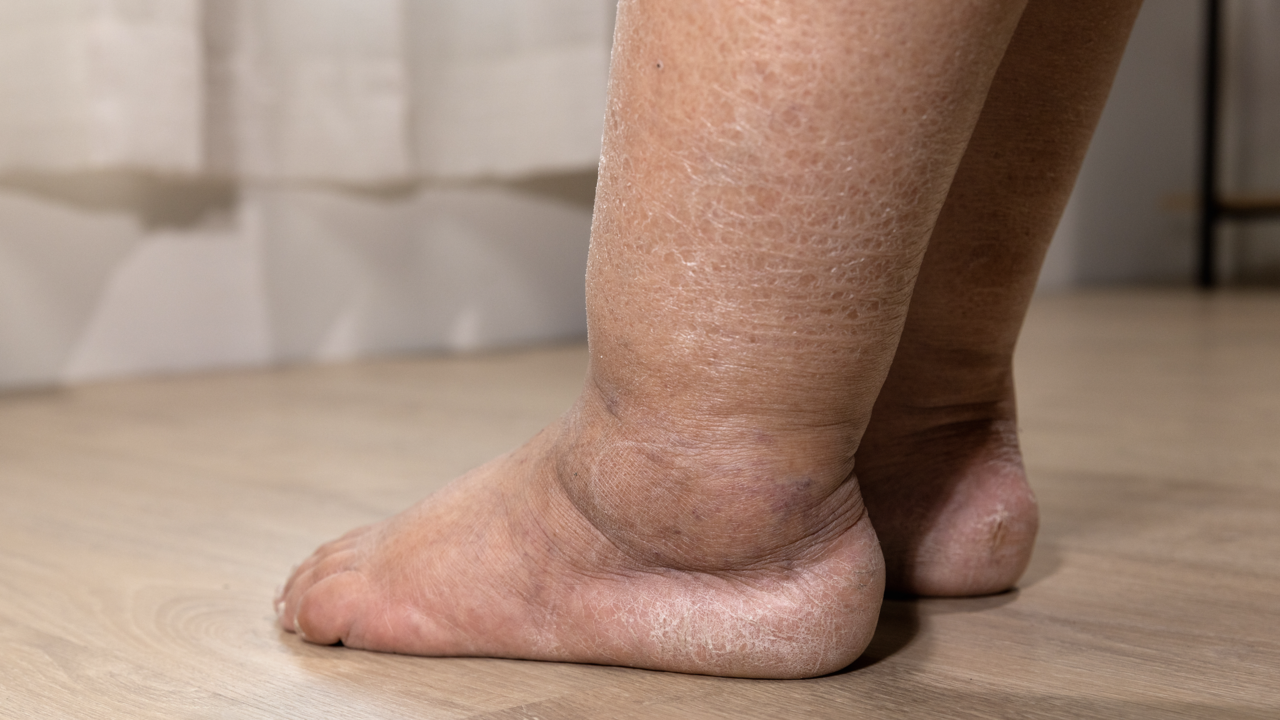
· - basic features of oedema and the potential impact on health and wellbeing;
· - commonly encountered types of oedema and non-pharmacological causes;
· - the core physiological mechanisms involved in oedema formation;
· - how drugs can affect different aspects of physiological processes in causing oedema;
· - cardiovascular medicines likely to cause oedema;
· - the significance of calcium channel blockers (CCBs) in causing oedema;
· - the significance of angiotensin converting enzyme inhibitors (ACEIs) in causing oedema;
· - analgesics and anti-inflammatories associated with oedema;
· - endocrine related medicines and their contribution to oedema;
· - some of the many other drugs linked with oedema;
· - managing drug-related oedema and the role of diuretics;
· - options for managing angioedema;
· - non-drug options for managing lymphoedema/chronic oedema.