RCPharm urges MHRA to review safety information for propranolol
Neil Trainis,
16 Sep 2026 2 Min
2 Min

Neil Trainis,
16 Sep 20262 Min
Neil Trainis,
16 Sep 20262 Min


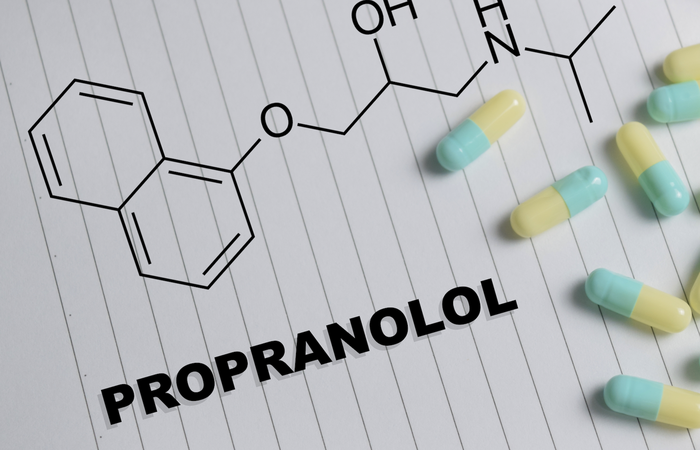
The Royal College of Pharmacy (RCPharm) has warned the Medicines and Healthcare products Regulatory Agency (MHRA) there is no proven evidence propranolol effectively treats generalised anxiety disorder and urged it to review the medicine's safety information.
In a letter to the MHRA, the RCPharm, Royal College of Physicians Medicines Safety Joint Working Group and National Poisons Information Service warned updates to the medicine’s summary of product characteristics (SPCs) are needed to protect patient safety, following concerns patients at risk of overdose, self-harm and suicide continue to be prescribed the medicine. Patient information leaflets are based on SPCs.
The RCPharm said the current licensed indication for propranolol in generalised anxiety was “problematic” because there is no evidence the medicine effectively treats generalised anxiety disorder and propranolol poisoning is “life-threatening, difficult to treat and associated with a significant number of deaths”.
“Prescribing for propranolol in general practice is increasing, partly because the medicine is perceived to be relatively safe,” the RCPharm said. “Patients at increased risk of overdose, including those taking antidepressants or with a history of overdose, continue to be prescribed propranolol.”
The three organisations warned prescriptions for propranolol in general practice in England are increasing, reaching over 8.3 million between May 2025 and April 2026, a rise of more than two million items since 2020-21. The medicine also treats heart problems and migraines, according to the NHS.
Insisting “patient safety is at the heart of this work”, the joint chair of working group Kate Ryan said: “While propranolol remains an effective treatment for many patients, its use for anxiety presents challenges. We are concerned about the serious consequences of overdose, particularly for vulnerable individuals."
The group's other chair, Dr Zuzanna Sawicka, said: “We are asking the MHRA to review whether the current indication for generalised anxiety disorder and associated safety information remain appropriate. Strengthening awareness of these risks among healthcare professionals and patients could support safer prescribing decisions and help prevent avoidable harm."
The RCPharm said: “The joint Medicines Safety Group will also be supporting an NHS England Patient Safety Team short-life working group examining this issue, including consideration of non-pharmcological and supported self-care options for patients.”
Meanwhile, the Department of Health and Social Care last week said prescribers should not initiate patients on propranolol 80mg or 160mg modified release capsules because of their "unavailability" and urged prescribers to consider propranolol 40mg and 80mg tablets "which remain available and can support an increase in demand".