Independents, listen up!
Neil Trainis,
22 Apr 2026 1 Min
1 Min

Neil Trainis,
22 Apr 20261 Min
Neil Trainis,
22 Apr 20261 Min


A lack of accessible services is forcing people to use DIY methods to deal with earwax. But independents can step in to offer safe and effective support, says Victoria Goldman…
According to the Royal National Institute for Deaf People (RNID), an estimated 2.3 million people in the UK require professional earwax removal every year, especially older people, hearing aid users and people with learning disabilities.
If excess earwax isn’t removed, this can lead to complications, interfere with hearing aids and even affect mental health.
“Free and easy access to this service is more than a convenience – it’s essential healthcare,” says Ella Woodward, audiologist at the RNID. “Without timely treatment, people can be left struggling with pain, blocked hearing and even preventable ear infections. The impact of wax goes beyond the ears, with many struggling to communicate, losing confidence and becoming isolated in day-to-day life.”
Stagnant situation
In March 2025, the RNID’s Stop the Block report revealed that almost half of integrated care boards (ICBs) were still not providing earwax removal services.
According to the charity, this contradicts clear guidance from the National Institute of Health and Care Excellence (NICE), which states that GP surgeries or community clinics should offer to remove earwax if build-up is contributing to someone’s hearing loss or causing other symptoms.
A year on, local access to free earwax removal services doesn’t seem to have improved.
“In most cases, earwax removal on the NHS is difficult to access,” says Nick Hunter, chief officer at Community Pharmacy Nottinghamshire and Community Pharmacy Derbyshire.
“It’s patchy and down to the local commissioning – it isn’t seen as a priority as it’s not a life-threatening issue. The public are desperate for ear care services, not only earwax removal, and are paying for these from pharmacies and other providers.”
According to the RNID, private earwax removal can cost up to £100 each time, which can become prohibitively expensive. Other people attempt to manage earwax themselves at home without any clear guidance from healthcare professionals.
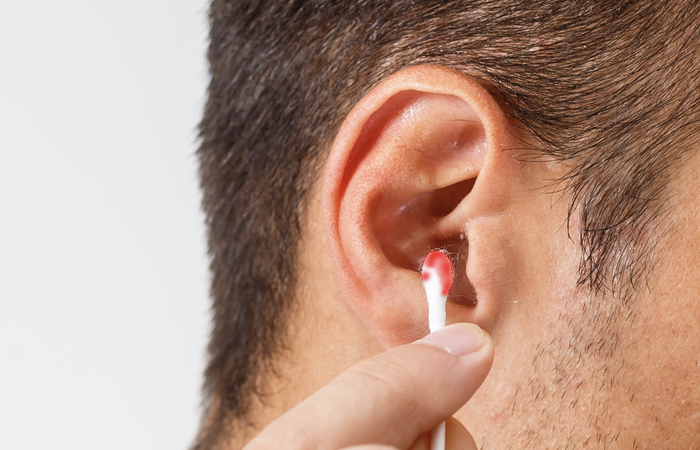
“Lack of accessible services forces people towards DIY methods such as the use of ear buds, which can lead to injury, infection and even permanent damage,” says Emily Jones, Rowlands’ services manager. “Free NHS provision would ensure equal access for patients.”
Pharmacy services
According to the RNID, community pharmacies would be an ideal location for ear wax removal services. “We understand that earwax removal through pharmacies is an area being explored by multiple ICBs,” says Ella Woodward.
“This may be a viable route to expand access – providing these models are designed, funded and delivered safely with an appropriate workforce, trained in line with national standards.”
According to the RNID, in May 2025, two pilot studies evaluated the success of commissioned pharmacy-based earwax removal services.
In February 2024, NHS South-West London ICB published an independent evaluation report on the 12-month Hearing Health Pathway Pilot across 20 community pharmacies across Merton, Wandsworth and parts of Richmond, in association with TympaHealth (a health technology company providing community-based ear and hearing assessments).
Luvjit Kandula FRPharmS MBA, the director of strategy and pharmacy transformation at Community Pharmacy Greater Manchester, says that NHSE regional pilots have demonstrated how pharmacy-based ear assessments can provide safe triage, high-quality outcomes and low-level escalations.
“Pharmacies can provide walk-in availability, extended hours and clinically trained staff who can deliver otoscopy, wax removal and early identification of infections or hearing issues for onward referral to other services as part of an agreed integrated care pathway,” she says.
“The patient experience and access to timely care is key to helping people well and living healthier lives, ensuring that we minimise distress and ensure services are available in locations of need.”
As NHS access to earwax removal services continues to diminish, increasing numbers of community pharmacies are now offering private services.
“Pharmacy-based private earwax removal services already play an important role in meeting patient need,” says Malcolm Harrison, chief executive of the Company Chemists’ Association.
“These demonstrate how community pharmacy teams can deliver safe and effective ear care. Community pharmacies are highly accessible to patients, often providing convenient local access without the need for appointments or long waits.”
Krishan Ramdoo, founder of TympaHealth, says there is strong demand from patients, particularly for services such as earwax removal and hearing health checks.
“For pharmacies, these services not only improve patient access to care but also strengthen their role as local healthcare hubs while creating sustainable new clinical service opportunities both through the NHS and privately,” he says.
Before setting up a private service, Hunter recommends that independent pharmacies look at what’s available locally on the NHS. “In some areas, there are already a lot of private earwax removal services,” he says.
“In others, there aren’t enough services to meet local need. Pharmacists should also consider how much time and money it will take to set up and run a private earwax removal service and see what else could give the same return on investment, as pharmacies can’t do everything.
Earache consultations
Earache is one of the most well-used Pharmacy First clinical pathways, providing pharmacy diagnosis and treatment of ear infections in children and young people aged 1 to 17 years.
Hunter says that parents welcome the opportunity to take their children to a pharmacy for an earache consultation and send them back to school quickly.
“The most successful Pharmacy First pharmacies tend to be those near schools, especially primary schools,” he says. “Some pharmacy teams work with head teachers and school business managers to encourage recommendations or get recommendations in the local community through word of mouth.”
According to NHS Business Services Authority data, there were over 518,000 consultations for earache through Pharmacy First between February 2024 and November 2025. Patients can be electronically referred from GP practices. However, some pharmacies don’t receive many GP referrals.
“Sometimes it’s due to the digital referral systems not in place or not working properly,” says Hunter, “or some GPs would prefer the money to go to the GP practice rather than pharmacy.
“It largely comes down to having a good working relationship between local pharmacies and local GP surgeries to encourage referrals and signposting.”
While earache is common in children, it can affect adults too – often caused by impacted earwax. Emily Jones says that while the Pharmacy First children’s earache pathway relieves pressure on GPs and urgent care services, there is still a lot of miscommunication about eligibility.
“Adults are coming into pharmacies expecting treatment but are not within the age criteria for the patient group directions,” she says.